Validate your AI or Platform Idea in 40 Engineering hours. Talk to our Expert →

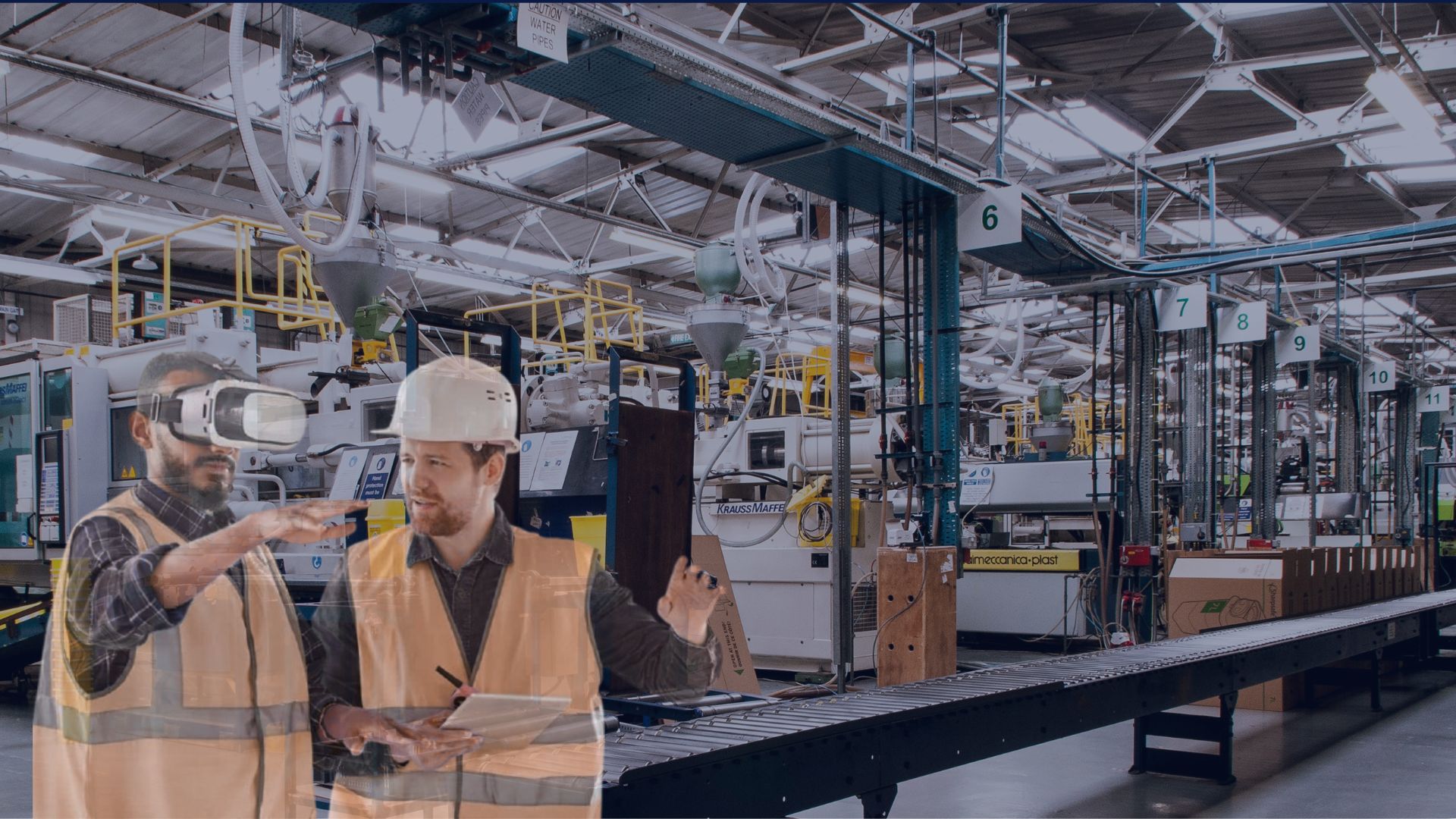
Immersive learning is no longer being evaluated as an experiment. VR has already proven its ability to deliver measurable impact by helping organizations:
• Improve safety
• Accelerate onboarding
• Increase knowledge retention
• Track training performance and progress
The real shift now is about how VR training is designed, deployed, and sustained over time.
Effective VR training today is built around realism.
When training scenarios are aligned with actual workflows, layouts, and procedures, learners can practice tasks the way they’re actually performed on the ground. This makes VR a natural extension of the training process, not a separate activity.
Alongside realism, data and analytics have become central to how VR training delivers value. Modern VR systems capture detailed insights such as task completion, error patterns, time spent on critical steps, and decision paths. This transforms training from a one-way experience into a measurable, feedback-driven process.
With analytics embedded into VR training, organizations gain the ability to:
• Understand how learners interact with procedures, not just whether training was completed
• Identify skill gaps and process bottlenecks early
• Continuously refine training content based on real usage data
Adaptability is equally important.
Processes, equipment and standards change. VR training systems need to evolve just as easily, through modular updates and faster iterations, so learning remains accurate and relevant beyond the initial rollout.
Modern VR training connects training, operations and IT teams through shared insights on usage, progress, and outcomes enabling immersive learning initiatives to grow consistently across teams, locations and roles.
Shwaira’s work in VR training is centered on building solutions that support this shift. We focus on creating immersive training systems that are practical to deploy, easy to maintain and aligned with real-world workflows. The goal is not just to deliver immersive experiences, but to enable organizations to run VR training as a reliable, long-term capability.
As VR training continues to mature, the most impactful programs will be those that integrate seamlessly into daily operations and evolve alongside the people and processes they support.