Validate your AI or Platform Idea in 40 Engineering hours. Talk to our Expert →

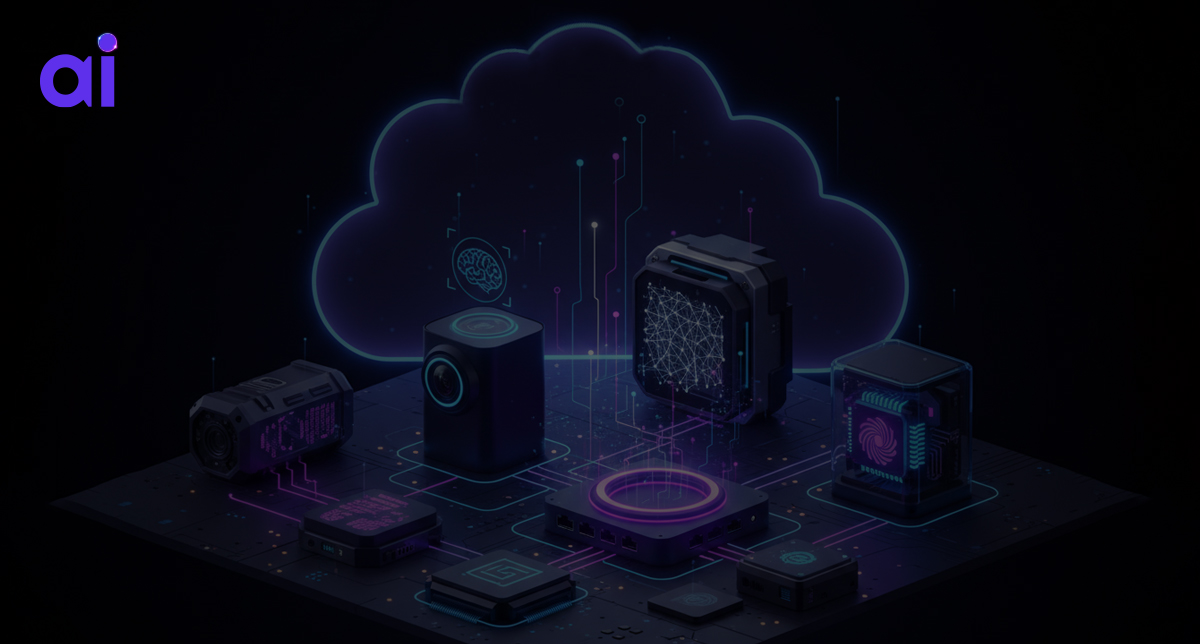
For a long time, connected devices were treated as simple data collectors. Sensors captured information and sent everything to the cloud for processing. That model no longer works on scale.
Modern systems operate in environments where latency, reliability, cost, and privacy matter. This has pushed intelligence closer to where data is generated. This is where edge devices come in.
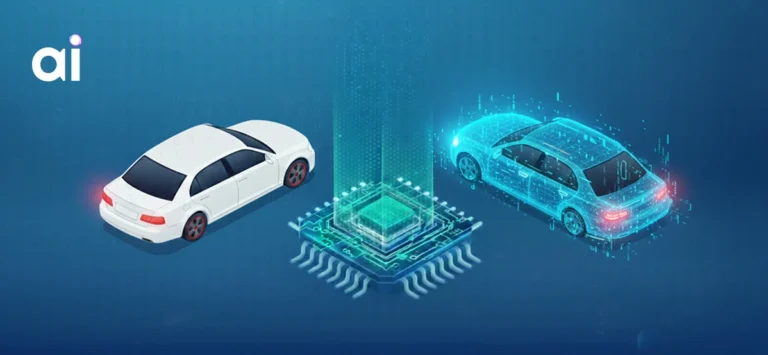
Edge devices are physical devices that perform computation close to the data source. They do more than collect data. They process it, apply logic, and make decisions locally.
Examples include:
An edge device acts as a local decision point within a larger system.
Why Edge Devices Exist
Edge devices exist because centralized processing creates real limitations.
Cloud based systems introduce:
Edge devices reduce these issues by handling critical processing locally and sending only relevant information to the cloud.
Edge devices typically perform three core functions.
This shifts systems from reactive to responsive.
Edge devices are already foundational across industries.
In each case, edge devices allow systems to function reliably even when connectivity is limited.
Edge devices do not replace the cloud. They complement it.
Edge devices handle:
The cloud handles:
Well-designed systems distribute intelligence instead of centralizing it.
Several forces are accelerating the adoption of edge devices:
Edge devices are no longer optional components. They are becoming standard building blocks.
Edge devices represent a shift in how smart systems are designed. By moving intelligence closer to where data is generated, organizations build systems that are faster, more resilient, and more cost effective. The future of digital systems lies in distributed intelligence, not centralized processing.