Validate your AI or Platform Idea in 40 Engineering hours. Talk to our Expert →

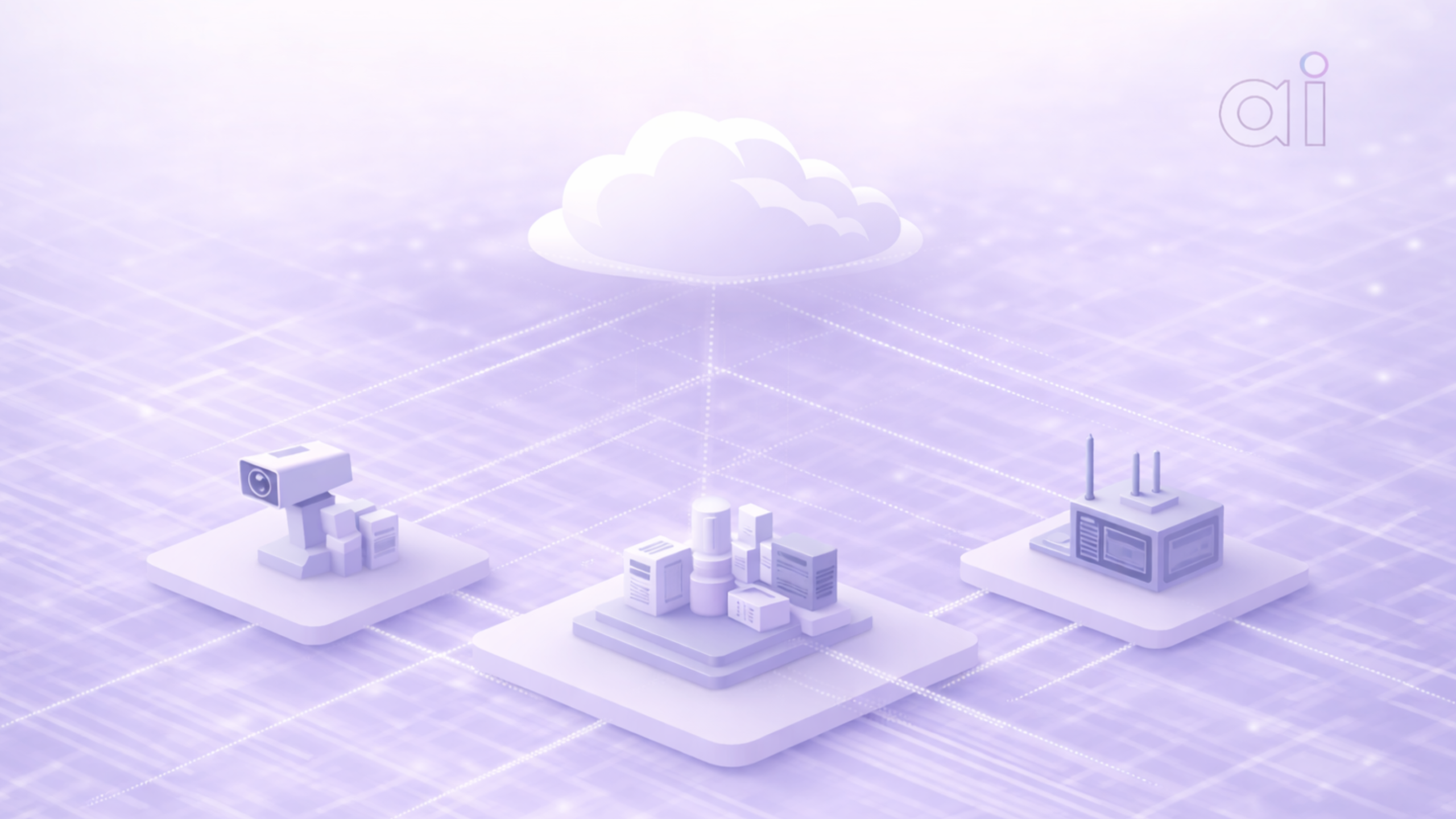
THE SHIFT IN HOW SYSTEMS THINK
For years, cloud computing has been the default foundation for digital systems.
Centralized processing, elastic scaling, and global access made it the obvious choice. But as digital systems expanded into physical environments, new challenges emerged.
Factories, hospitals, cities, and immersive environments generate continuous, high-volume data. Sending everything to distant cloud servers introduces delays, cost inefficiencies, and operational risk.
Modern systems do not just need scale. They need proximity. This is where Edge Technology becomes critical.
THE LIMITATIONS OF CLOUD-ONLY ARCHITECTURES
Cloud platforms are optimized for centralized workloads. Real-world environments demand something different.
Common challenges with cloud-only systems include:
When systems interact with the physical world, delays are not acceptable.

WHAT EDGE TECHNOLOGY ENABLES
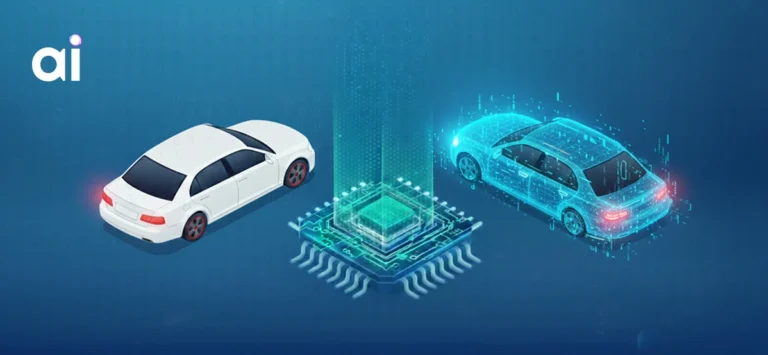
Edge Technology moves computation closer to where data is generated.
Instead of transmitting raw data continuously, edge systems process information locally or nearby. They analyze, filter, and act on data in real time.
Only meaningful insights are sent to the cloud.
This approach enables:
Edge does not replace the cloud. It changes how the cloud is used.
EDGE DEVICES AS DECISION POINTS
Edge devices are no longer passive data collectors.
They actively process information and trigger actions. Examples include:
By shifting intelligence to the edge, systems become more responsive and resilient.

HOW EDGE AND CLOUD WORK TOGETHER
The most effective architectures today combine edge and cloud capabilities.
Edge handles:
Cloud handles:
This hybrid approach balances speed, scale, and cost.
REAL-WORLD IMPACT ACROSS INDUSTRIES
Edge Technology is already delivering value across domains.
Manufacturing uses edge for predictive maintenance and worker safety. Healthcare relies on edge for patient monitoring and timely alerts. Retail applies edge for real-time insights and operational intelligence. XR systems depend on edge for low-latency immersive experiences.
In each case, edge brings decisions closer to action.
WHY EDGE MATTERS NOW
Several forces are accelerating adoption:
Edge Technology is becoming a foundational architectural layer.
CONCLUSION
Digital systems are moving out of data centers and into the real world. Edge Technology enables systems to think locally, act faster, and operate reliably under real-world constraints. Cloud remains essential, but it is no longer sufficient on its own.
The future belongs to architectures that combine edge intelligence with cloud scale.